Entertaining in the Age of Invention
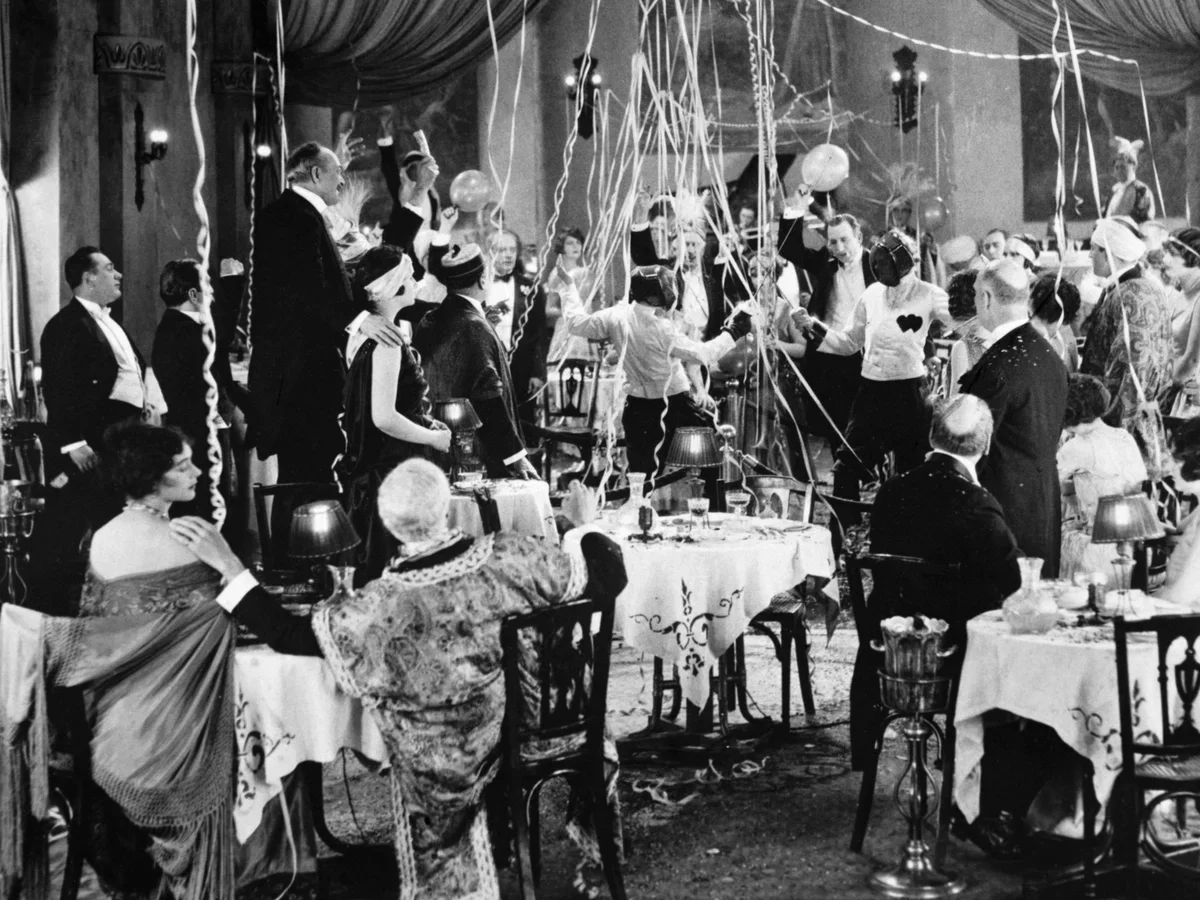
A scene from the 1926 silent film The Great Gatsby, capturing the exuberance and ritual of early twentieth-century entertaining.
In the late nineteenth and early twentieth centuries, America was transforming. Cities glowed with newly installed electric light. Rail lines stretched across the country. Industry expanded. And in the midst of this remarkable era, people gathered, beautifully.
Entertaining during the lifetime of Thomas Edison was never an afterthought. A dinner invitation signaled intention. Hosts curated their guest lists carefully, tables were dressed with pressed linens and polished silver, and meals unfolded in deliberate courses. The evening had rhythm. Guests lingered. Conversation mattered.
As electricity became more widespread, illuminated dining rooms extended social hours and elevated the experience of gathering. Grand industrial buildings, the very structures that powered growing cities, stood as symbols of modern progress. Today, many of those former power stations have become some of the most striking dining and event spaces in the country, their scale and architectural drama lending significance to any occasion held within their walls.
Even Edison himself, for all his innovation, preferred simple comforts at the table. In an 1882 interview he reportedly named pastry, especially apple pie, as a favorite after long hours in the laboratory. Later accounts associate him with apple dumplings and coffee — warm, unfussy dishes that feel timeless even now. The great inventor, it seems, understood the quiet pleasure of a well-prepared meal.
The spirit of those gatherings lives on. The structure of modern celebrations, a welcoming cocktail hour, a thoughtfully paced dinner, dessert shared among friends, follows the same graceful arc established more than a century ago. What has changed is the setting. Where machinery once generated power, historic spaces like The Edison now generate something just as meaningful: connection.
To dine or celebrate in a restored power station is to participate in that evolution. The architecture remains bold, the ceilings still soar, and the light, once a symbol of invention, now frames evenings filled with laughter, toasts, and memory.
Some traditions endure because they work. A beautiful room. A well-set table. Good food shared among people you care about.
In the age of invention, that was enough. It still is.