Preservation Through Hospitality
Former Power Stations Are Becoming America’s Most Remarkable Dining Rooms
In the early twentieth century, power plants were civic monuments. They were not decorative buildings. They were built to signal progress. Brick, steel, and towering windows housed turbines that powered entire cities.
As technology advanced, many were decommissioned. Some were demolished. Others were left dormant, too large to ignore and too complex to repurpose. A select few found an afterlife, not as museums, not as relics, but as gathering places.
This transformation is not aesthetic alone. It is preservation through hospitality.
Across the country, former power stations have become restaurants, cocktail bars, and event spaces. The shift works because these buildings were engineered for permanence. Their scale carries weight and their materials age well. But enduring architecture alone is not enough. Adaptive reuse is made possible only by courage to choose restoration over convenience, and by the determination to shape a lasting investment in the community’s identity.
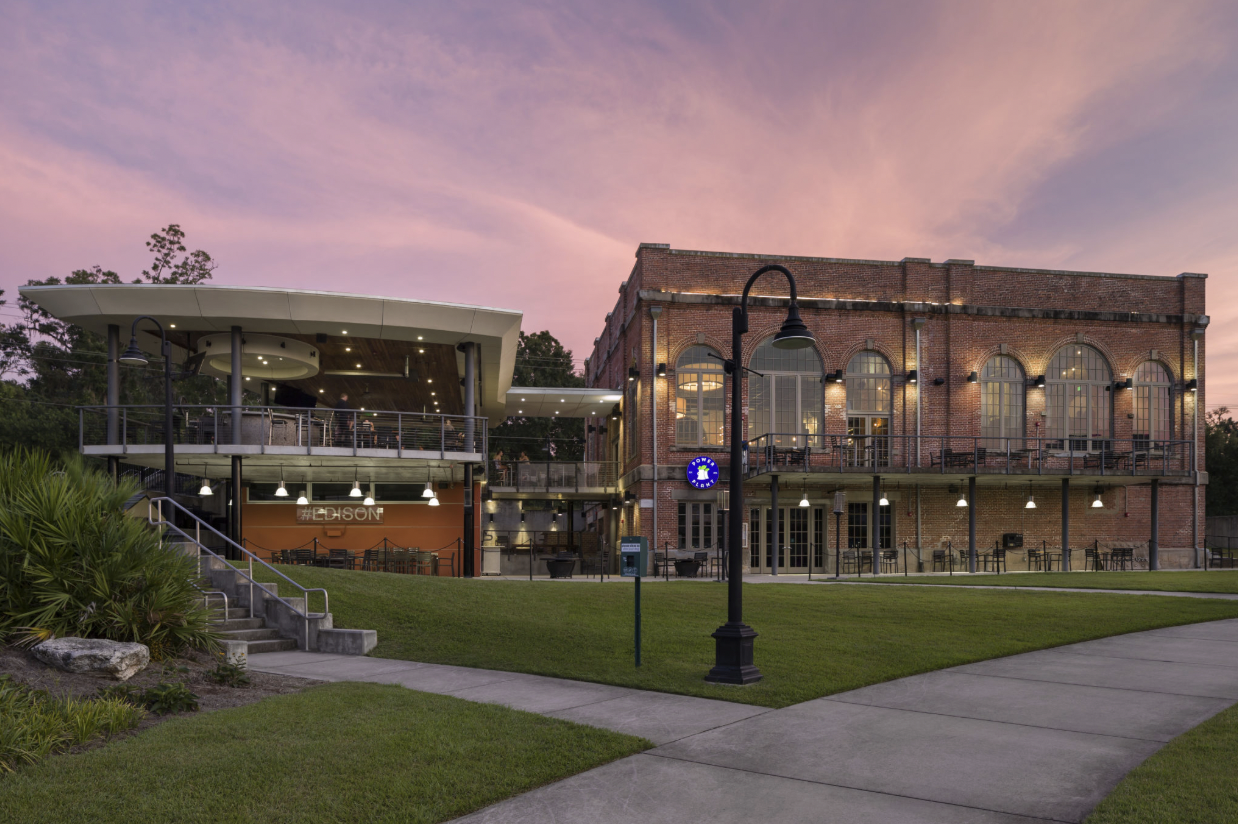
The Edison Restaurant, Cascades Park
At The Edison, the 1921 Tallahassee Electric Light and Power Company building once generated electricity for the capital city. Its brick walls and steel frame were constructed for endurance. The proportions were generous because machinery required space. Today, those same volumes host dinners, private celebrations, and everyday meals. The industrial bones remain visible. What has changed is the current running through the building.
Edison’s co-owner & co-founder, Adam Corey once described the difference between this project and others he had taken on: “The old concepts we had, we bought into them. This one we got to develop and create on our own. So that attraction and the ability to do something together we felt strongly about. That's why we did it and it's why we continue to really fuel this thing.”
That distinction captures something essential about adaptive reuse. It is not the purchase of a finished idea. It is the decision to shape something original within the boundaries of history. It requires patience, investment, and belief in the value of what already exists.
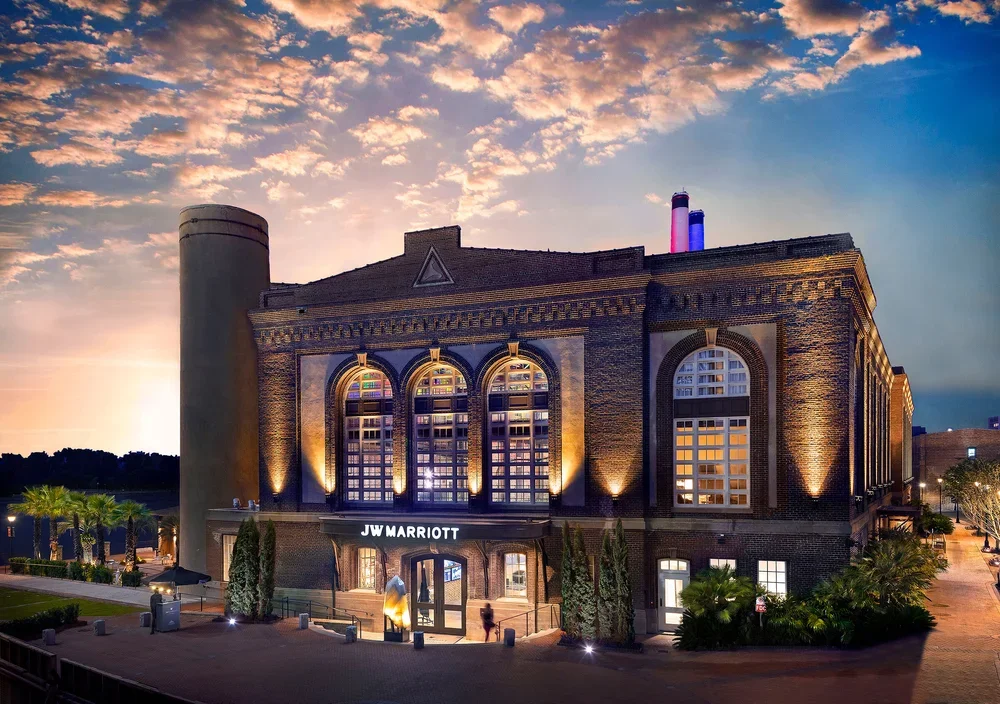
JW Marriott Savannah Plant Riverside District
In Savannah, the former Riverside Power Plant now anchors the riverfront as part of the JW Marriott Savannah Plant Riverside District. The 1912 structure was once responsible for powering the city’s streetcars and homes. Today it houses restaurants, bars, and event spaces beneath preserved industrial trusses and restored brick. Original generators remain as sculptural reminders of the building’s past.
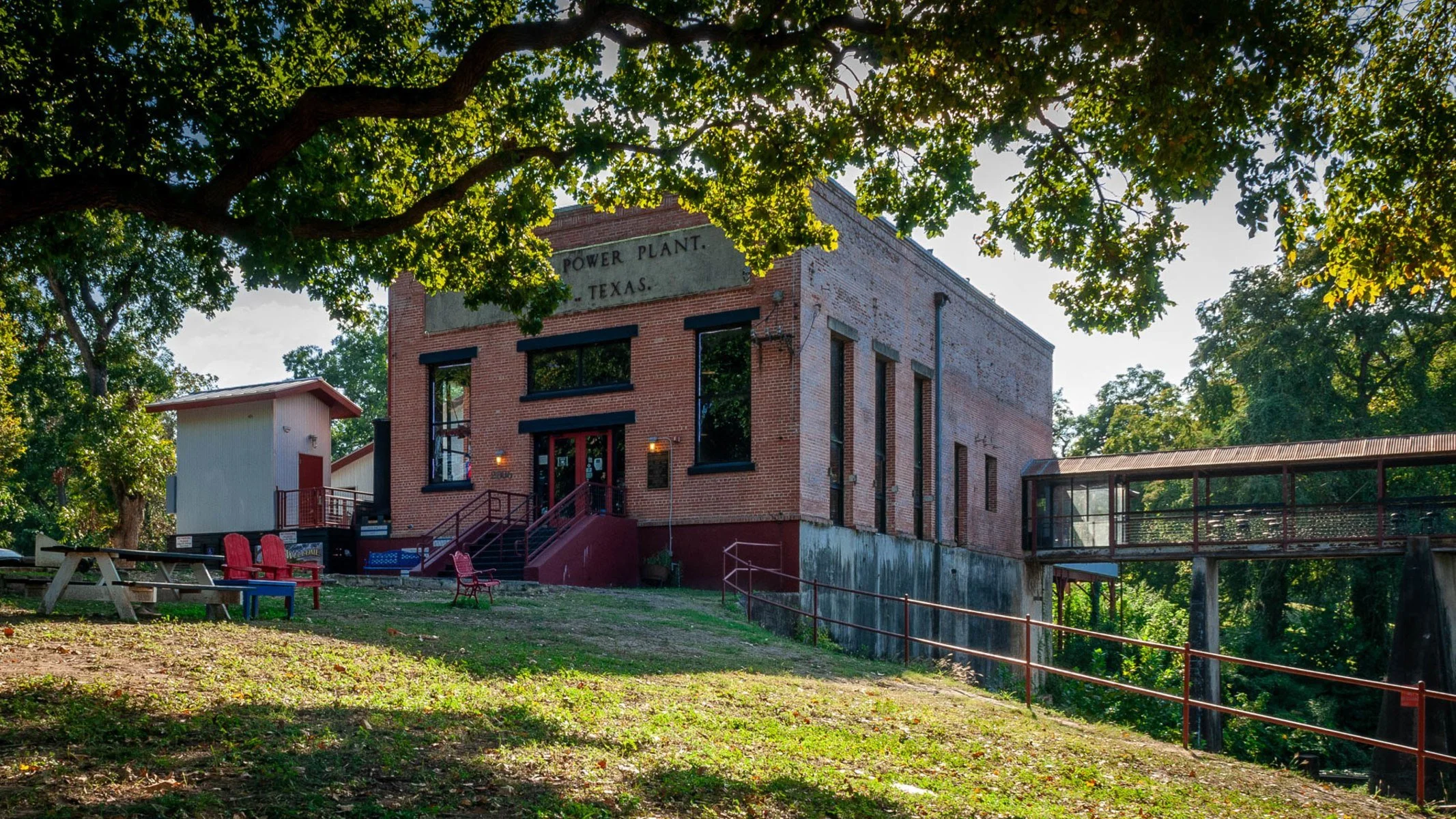
Seguin, The Power Plant Texas Bar & Grill
In Seguin, The Power Plant Texas Bar & Grill operates inside a former municipal power station that has been thoughtfully restored for hospitality use. The building’s industrial origins remain part of its identity, offering a distinct setting rooted in the town’s history.
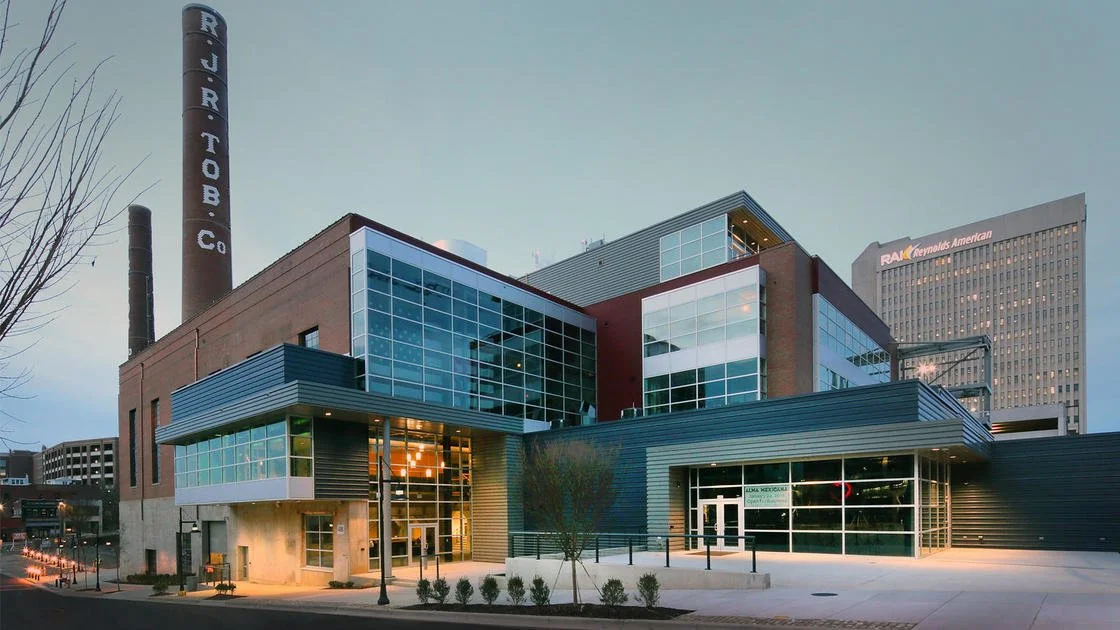
The Bailey Power Plant, office, entertainment, retail, and restaurant space
In Winston Salem, the Bailey Power Plant now houses Dutch Light, within a larger innovation district. The smokestacks still define the skyline.
In each case, the afterlife of the building depends on owners and investors willing to see opportunity where others might see complication. Restoring a former power plant is rarely the simplest development path. The structures are massive and the systems to bring the structure up to code are demanding.
Choosing restoration over demolition is a declaration of affection for a city’s past and faith in its future. It preserves architectural memory while keeping a structure economically relevant. It allows a building to remain part of daily life rather than becoming a footnote in it.
Once, these buildings powered streetlights and factories. Now they host rehearsal dinners, anniversaries, business gatherings, and everyday meals.
The machinery may be gone, but the civic role remains. Adaptive reuse does not freeze history in place, it allows it to evolve, and in doing so, it keeps the lights on in a different way.